

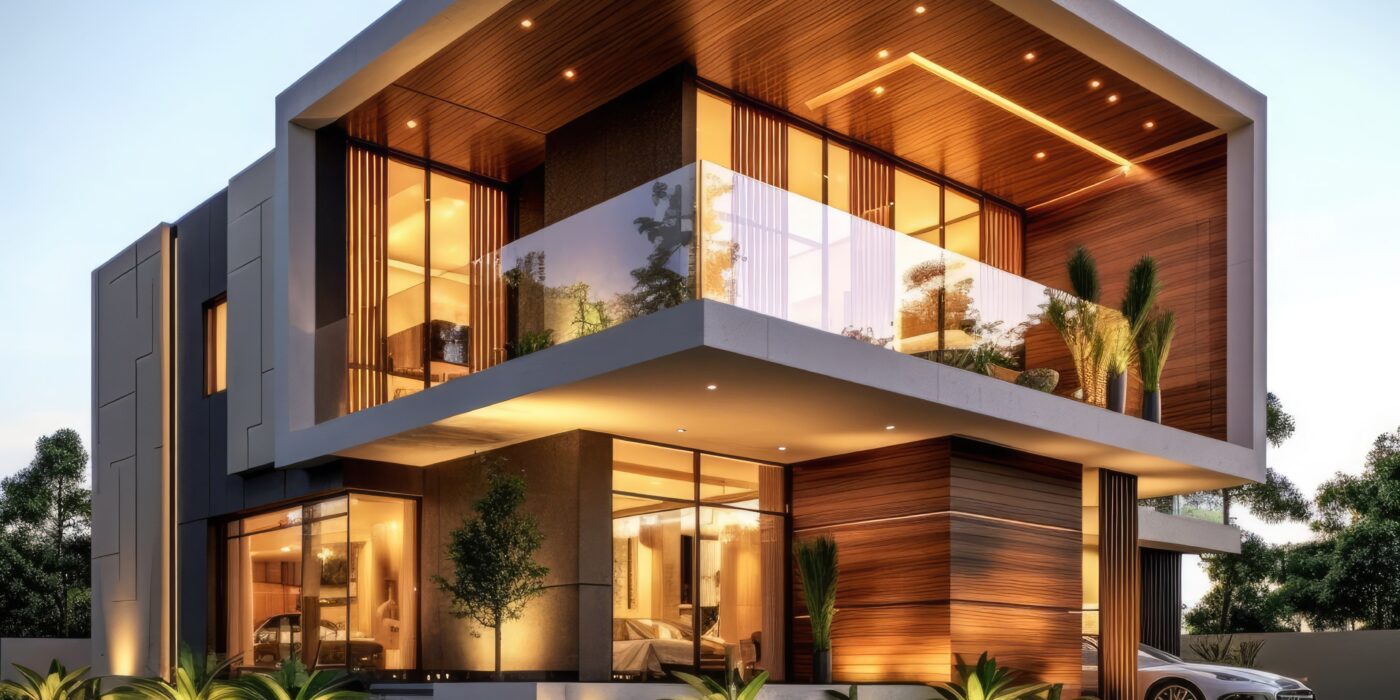
Embracing Sustainability: The Future of Real Estate Development
Introduction:
In recent years, the real estate industry has undergone a transformative shift towards sustainability. With growing concerns about climate change and environmental degradation, developers, investors, and policymakers are increasingly prioritizing sustainable real estate development. In this blog post, we’ll delve into the concept of sustainable real estate development, explore its benefits and challenges, and discuss some innovative approaches shaping the future of the industry.
What is Sustainable Real Estate Development?
Sustainable real estate development is an approach to building and managing properties that prioritizes environmental responsibility, social equity, and economic viability. It involves integrating principles of sustainability into every stage of the development process, from site selection and design to construction and operation. Key aspects of sustainable real estate development include energy efficiency, resource conservation, waste reduction, and creating healthy, livable communities.
Benefits of Sustainable Real Estate Development:
There are numerous benefits associated with sustainable real estate development, both for developers and society as a whole. From a financial standpoint, sustainable buildings tend to have lower operating costs due to reduced energy and water consumption. They also command higher property values and rental premiums, as tenants and buyers increasingly prioritize sustainability in their decision-making. Furthermore, sustainable real estate development contributes to environmental conservation, mitigates climate change, and improves public health and well-being. Challenges and Barriers:
Despite the clear benefits, sustainable real estate development still faces several challenges and barriers. One of the primary challenges is the perceived higher upfront costs associated with green building practices and technologies. While sustainable buildings often have a higher initial investment, the long-term savings in operating costs typically outweigh these costs. Additionally, there may be regulatory hurdles, market barriers, and a lack of awareness or expertise among developers and stakeholders, which can impede progress towards sustainability. Innovative Approaches to Sustainable Real Estate Development: To overcome these challenges, developers and industry stakeholders are adopting innovative approaches to sustainable real estate development. This includes leveraging advancements in green building technologies, such as energy-efficient HVAC systems, solar panels, and smart building automation. Moreover, developers are exploring alternative construction materials and methods, such as recycled materials, modular construction, and prefabrication, to reduce environmental impact and construction time. Furthermore, sustainable real estate development is increasingly incorporating principles of biophilic design, which seeks to connect occupants with nature by integrating natural elements such as daylight, vegetation, and natural materials into building design. Biophilic design has been shown to improve productivity, reduce stress, and enhance overall well-being.
Conclusion:
Sustainable real estate development is not just a trend; it’s a necessity for building a resilient and sustainable future. By embracing sustainability principles and adopting innovative approaches, developers have the opportunity to create buildings and communities that are environmentally responsible, socially equitable, and economically viable. As the demand for sustainable real estate continues to grow, it’s imperative for industry stakeholders to collaborate, innovate, and prioritize sustainability in all aspects of real estate development.
In recent years, the real estate industry has undergone a transformative shift towards sustainability. With growing concerns about climate change and environmental degradation, developers, investors, and policymakers are increasingly prioritizing sustainable real estate development. In this blog post, we’ll delve into the concept of sustainable real estate development, explore its benefits and challenges, and discuss some innovative approaches shaping the future of the industry.
What is Sustainable Real Estate Development?
Sustainable real estate development is an approach to building and managing properties that prioritizes environmental responsibility, social equity, and economic viability. It involves integrating principles of sustainability into every stage of the development process, from site selection and design to construction and operation. Key aspects of sustainable real estate development include energy efficiency, resource conservation, waste reduction, and creating healthy, livable communities.
Benefits of Sustainable Real Estate Development:
There are numerous benefits associated with sustainable real estate development, both for developers and society as a whole. From a financial standpoint, sustainable buildings tend to have lower operating costs due to reduced energy and water consumption. They also command higher property values and rental premiums, as tenants and buyers increasingly prioritize sustainability in their decision-making. Furthermore, sustainable real estate development contributes to environmental conservation, mitigates climate change, and improves public health and well-being. Challenges and Barriers:
Despite the clear benefits, sustainable real estate development still faces several challenges and barriers. One of the primary challenges is the perceived higher upfront costs associated with green building practices and technologies. While sustainable buildings often have a higher initial investment, the long-term savings in operating costs typically outweigh these costs. Additionally, there may be regulatory hurdles, market barriers, and a lack of awareness or expertise among developers and stakeholders, which can impede progress towards sustainability. Innovative Approaches to Sustainable Real Estate Development: To overcome these challenges, developers and industry stakeholders are adopting innovative approaches to sustainable real estate development. This includes leveraging advancements in green building technologies, such as energy-efficient HVAC systems, solar panels, and smart building automation. Moreover, developers are exploring alternative construction materials and methods, such as recycled materials, modular construction, and prefabrication, to reduce environmental impact and construction time. Furthermore, sustainable real estate development is increasingly incorporating principles of biophilic design, which seeks to connect occupants with nature by integrating natural elements such as daylight, vegetation, and natural materials into building design. Biophilic design has been shown to improve productivity, reduce stress, and enhance overall well-being.
Conclusion:
Sustainable real estate development is not just a trend; it’s a necessity for building a resilient and sustainable future. By embracing sustainability principles and adopting innovative approaches, developers have the opportunity to create buildings and communities that are environmentally responsible, socially equitable, and economically viable. As the demand for sustainable real estate continues to grow, it’s imperative for industry stakeholders to collaborate, innovate, and prioritize sustainability in all aspects of real estate development.